You Are a Leader — Even If You’re the Last One

One sentence we hear very often from candidates is:
“I don’t have leadership experience.”
But in aviation, that’s rarely true.
Leadership in a crew is not only about rank or position.
It’s about how you behave inside a team.
And every crew member experiences leadership.
Not always by commanding —
but by leading, following, cooperating and communicating.
Leadership in Aviation Is Dynamic
When you work in a flight crew, your role constantly shifts depending on the situation.
At different moments you may:
Lead.
Sometimes your superior is absent, delayed, or handling another task.
In that moment, you take initiative and move things forward.
Example:
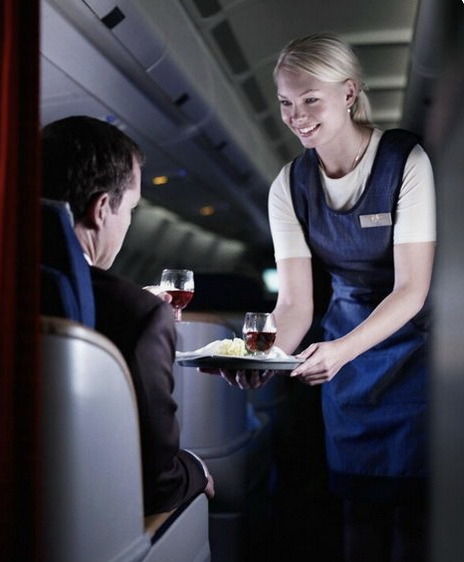
A cabin crew member begins preparing the cabin while the purser is still in briefing.
Security checks, equipment verification and preparation start moving.
When the supervisor arrives, you update them and the operation continues smoothly.
In that moment, you led the process.
Sometimes You Follow
Aviation is a structured environment.
The captain, first officer, purser and senior crew define the tone of the operation.
They establish the working rhythm and priorities.
Other crew members align with that structure.
This is not weakness.
This is professional discipline.
Knowing when to follow is as important as knowing when to lead.
Cooperation Keeps the Crew Functional
Flights rarely distribute workload perfectly.
Some crew members become overloaded while others have more capacity.
Professional crews recognise this immediately.
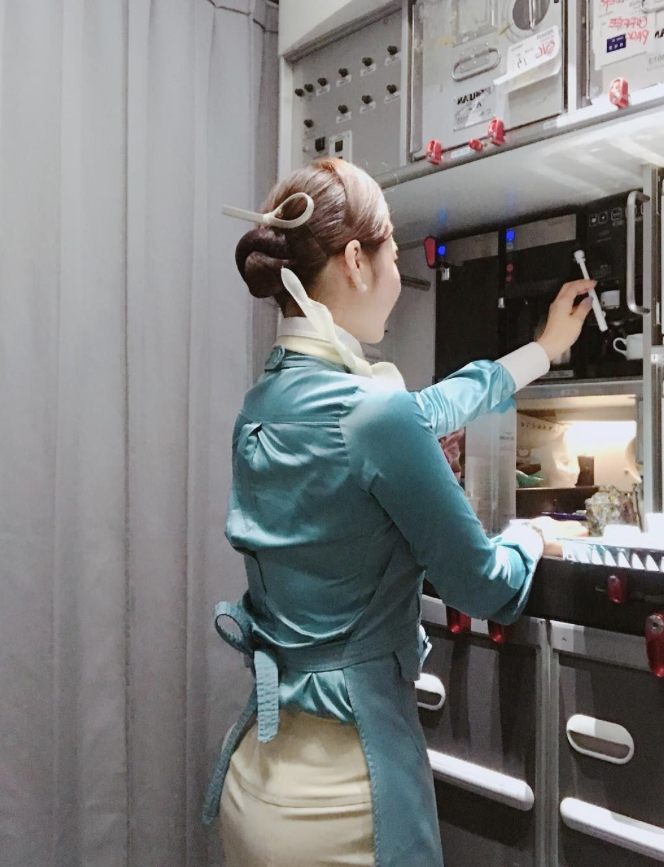
They help each other.
They rebalance the workload.
They maintain the flow of the operation.
This ability to cooperate naturally is something airlines look for very carefully during group dynamics.
Communication Is the Glue of the Crew
A team only functions when communication flows.
Good communication allows the crew to:
- understand what is happening
- coordinate tasks
- detect problems early
- support each other when workload increases
In aviation, communication is not optional.
It is operational safety.
Asking for Help Is Professional
Another misconception candidates have is believing they must always appear independent.
In aviation, the opposite is true.
When you cannot complete a task safely or efficiently, the correct action is simple:
Ask for help.
This shows awareness, professionalism and teamwork.
Offering Help Is Leadership
When you notice another crew member is overloaded, you step in.
You offer assistance.
This behaviour shows situational awareness and team commitment.
Airlines value this far more than individual performance.

The Leadership Cycle Inside a Crew
A professional crew constantly moves through this cycle:
You lead.
You follow.
You cooperate.
You communicate.
You ask for help.
You offer help.
This is how aviation teams operate.
And this is exactly the mindset airlines look for during assessment days.
Leadership Is Not a Position
Leadership in aviation is not a title.
It is an attitude.
And once candidates understand this, answering leadership questions in interviews becomes much easier.
If you’d like, I can also help you prepare for the exact leadership questions airlines ask during interviews.
— Enrique
QrewMentor